
“My wish is to stay always like this, living quietly in a corner of nature.” – Claude Monet
In 2023, I had the opportunity to take multiple trips to the Cederberg mountains. One of the trips landed us in the Southern region, in a remote, high altitude area. The Cederberg is a vast wilderness area known for its mountain range, dramatic wind-carved sandstone formations and San rock paintings. Formed approximately 700 million years ago and now a World Heritage Site, the Cederberg is covered in stunning mountain fynbos and is rich in wildlife. These mountains have a special energy and I find myself in awe of its spectacular beauty each time I go. We took this trip in mid-May, the weather heading towards winter in the Southern hemisphere.
Interestingly, the highest peak in the entire range is the Sneeuberg, at a height of 2027 metres above sea-level, however the cottage we’d booked was at an elevation of 1200 metres and situated in the Southern region of the Cederberg. Temperatures plummeted after sunset but made for interesting conditions for photography. The totality of my kit included my 35mm Minolta SRT-100b, a 50mm MC Rokkor lens, two rolls of film (Kodak Portra 800 and Fuji 200), a tripod, gaffer tape and a cable release.
Since we were lucky enough to be there on a new moon evening, my primary goal was to shoot star trails. Other than that, my intention was to meander around on various walks and hikes looking for things to shoot.
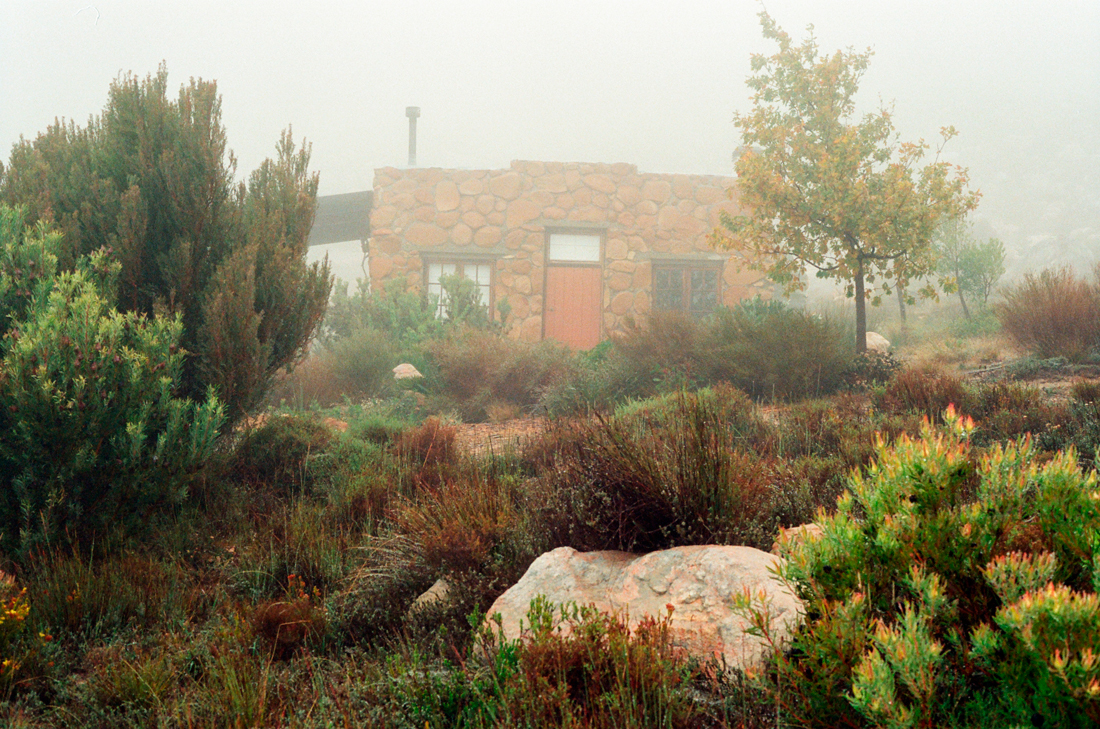
Pictured above: Brakdak cottage we stayed in near Middelberg Peak – shot on Kodak Porta 800.
The weather was clear and gorgeous, except one day when it rained for most of the day. For the image of the cottage pictured above, I shot early in the morning prior to the rains when it was icy cold and particularly misty. We spent a large part of that day indoors feeding a fire, playing cards and drinking hot chocolate. This proved to be incredibly relaxing, but we were getting cabin fever. Around 4pm, the rain had stopped and the sun began to break through the clouds. To make the most of the rest of the day, we slipped out to grab a few shots and stretch our legs.

Pictured above: After the rains, looking north from Middelberg Pass to the Cederberg Wilderness Reserve – shot on Kodak Portra 800
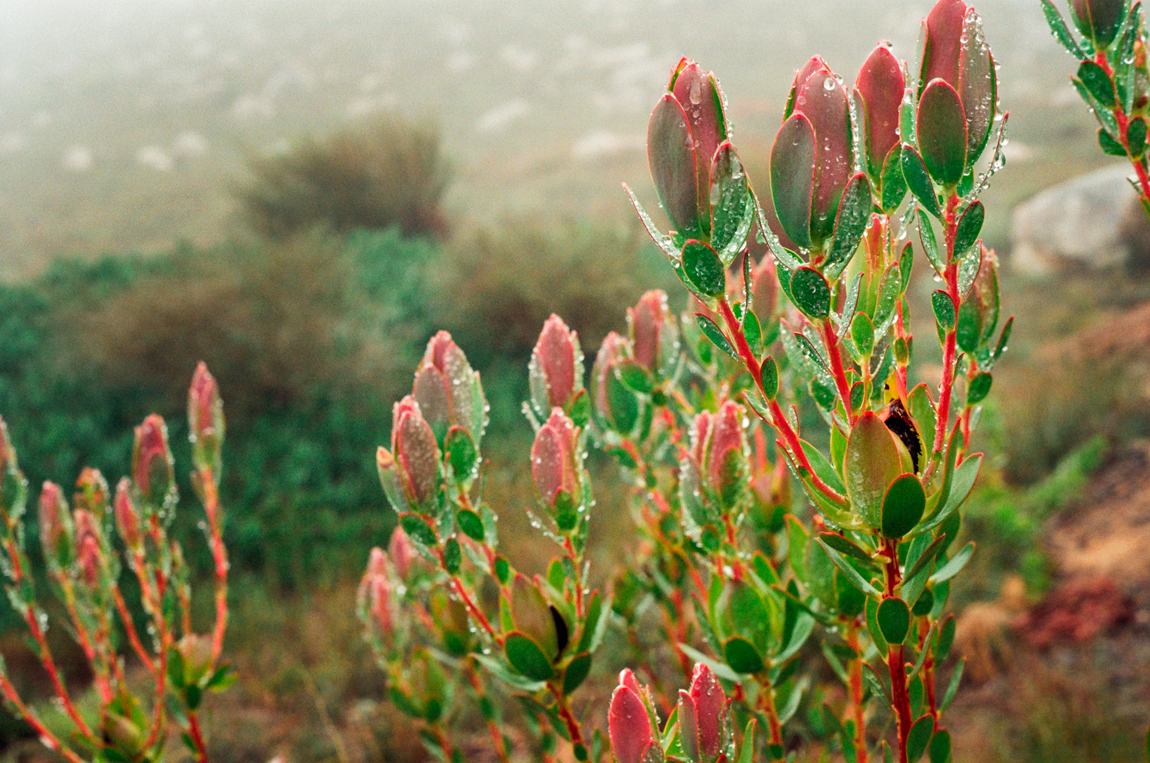
Pictured above: Leucadendron – shot on Kodak Portra 800

Pictured above: Klipkop near Middelberg Pass in the southern Cederberg – shot on Kodak Portra 800
For the above shot, I made use of a graduated ND8 filter with a 3 f-stop reduction and a Cokin filter holder. I reduced the amount of light recorded in the sky area and keep the detail in the shadows.
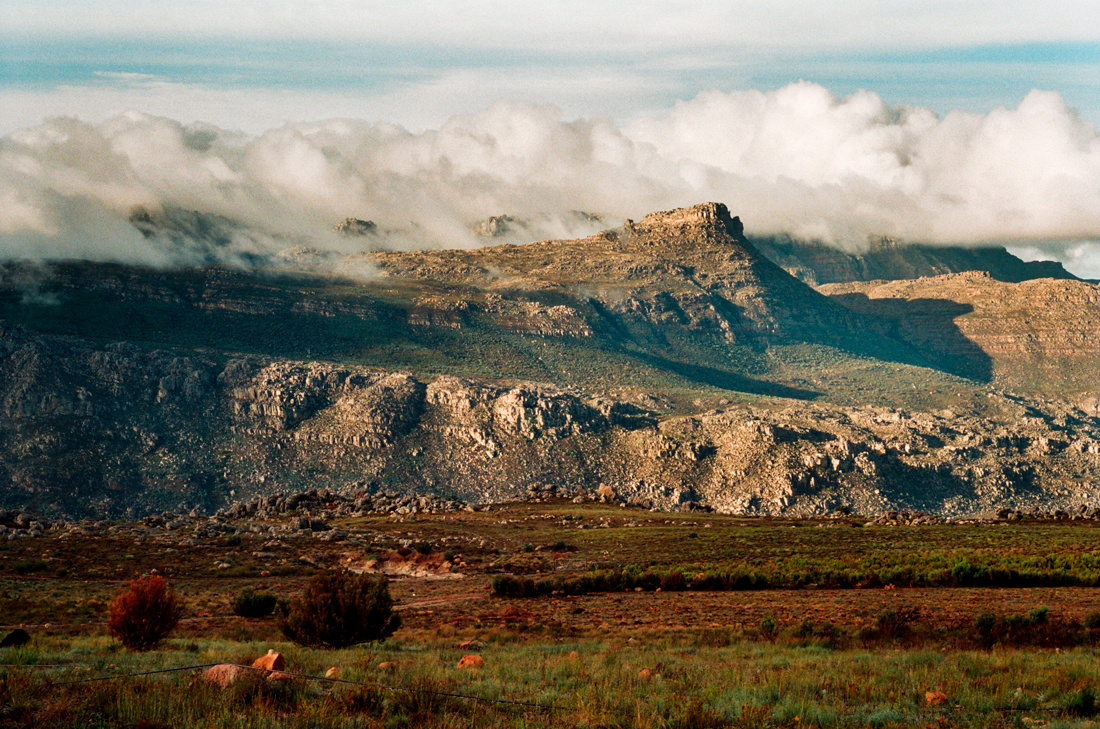
Pictured above: After the rains, looking east towards the Suurvlakte in the mist with Ysterplaat peak – shot on Kodak Portra 800

Pictured above: Looking across the Tuinskloof – shot on Kodak Portra 800
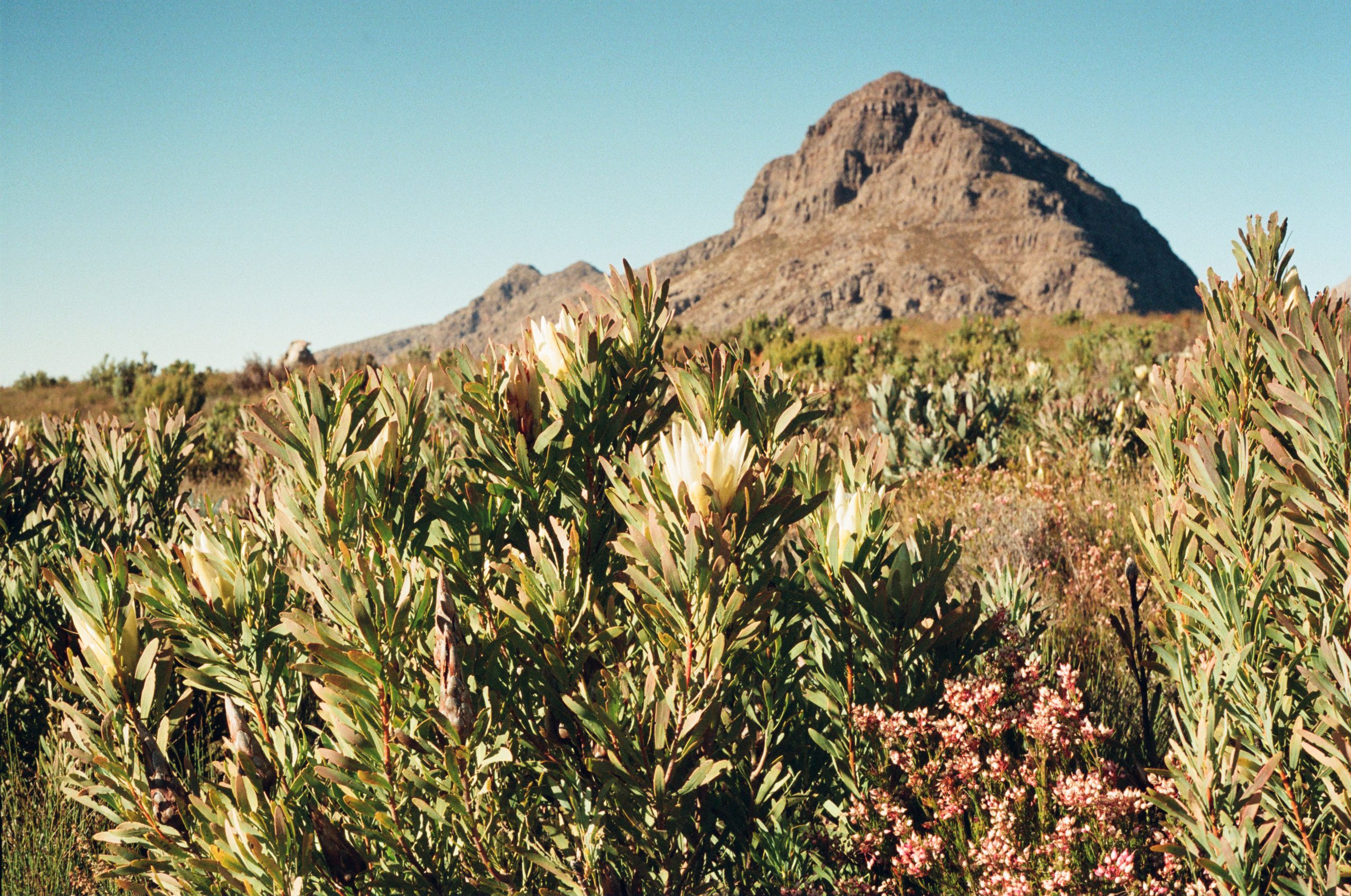
Pictured above: Middelberg peak with white Suiker-kan protea – Protea Repens – in the foreground. Shot on Kodak Portra 800
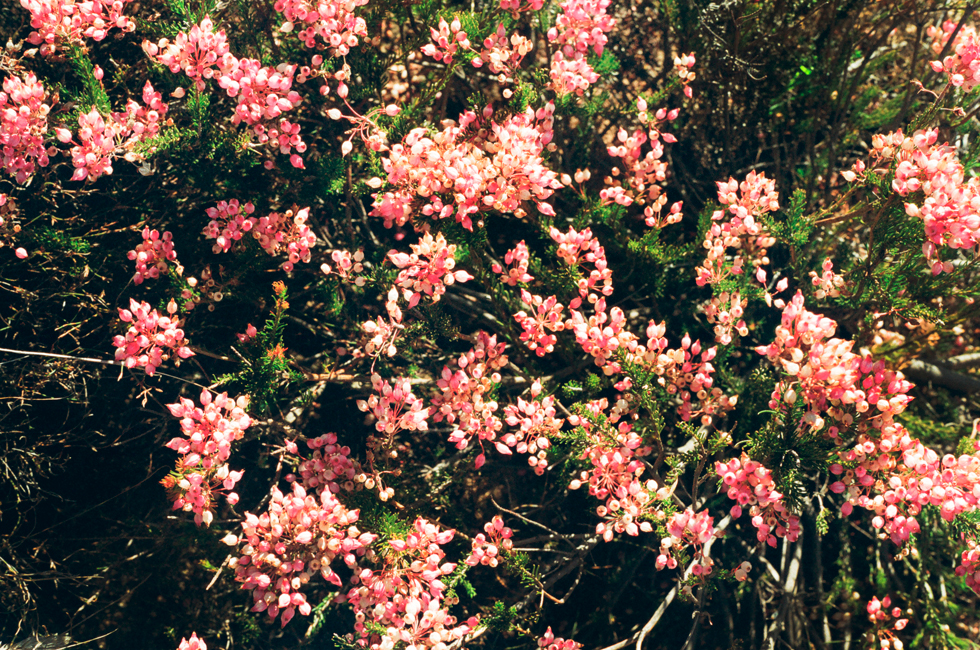
Pictured above: Erica seed-heads – shot on Kodak Portra 800
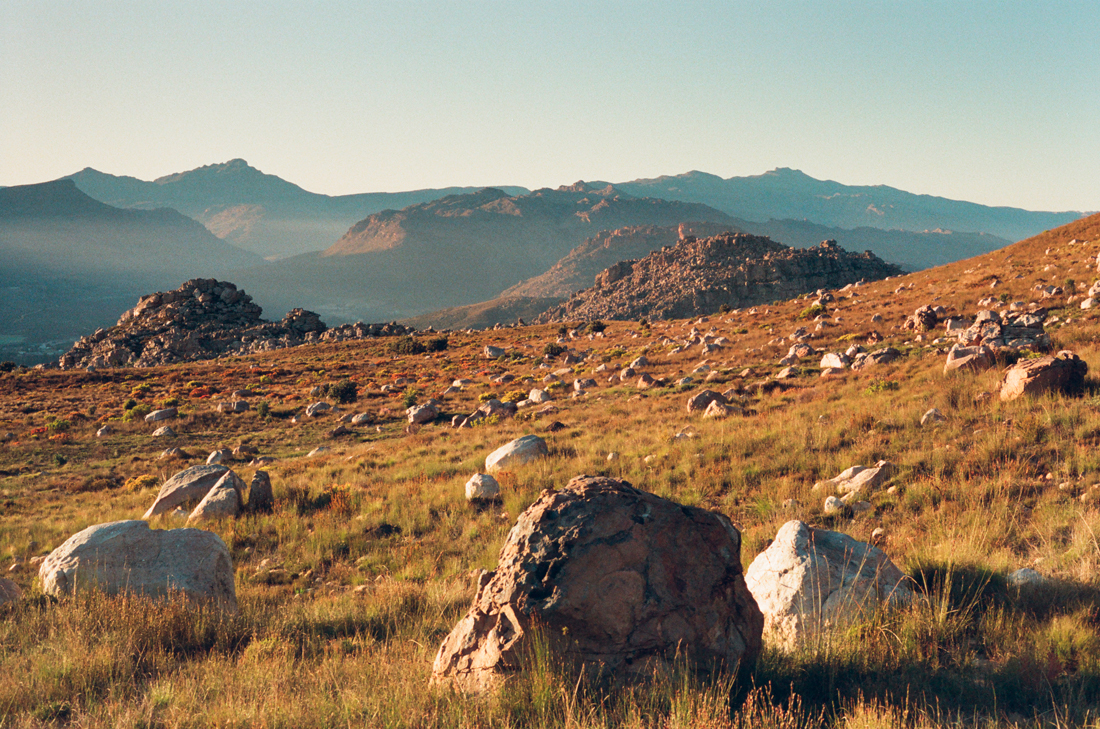
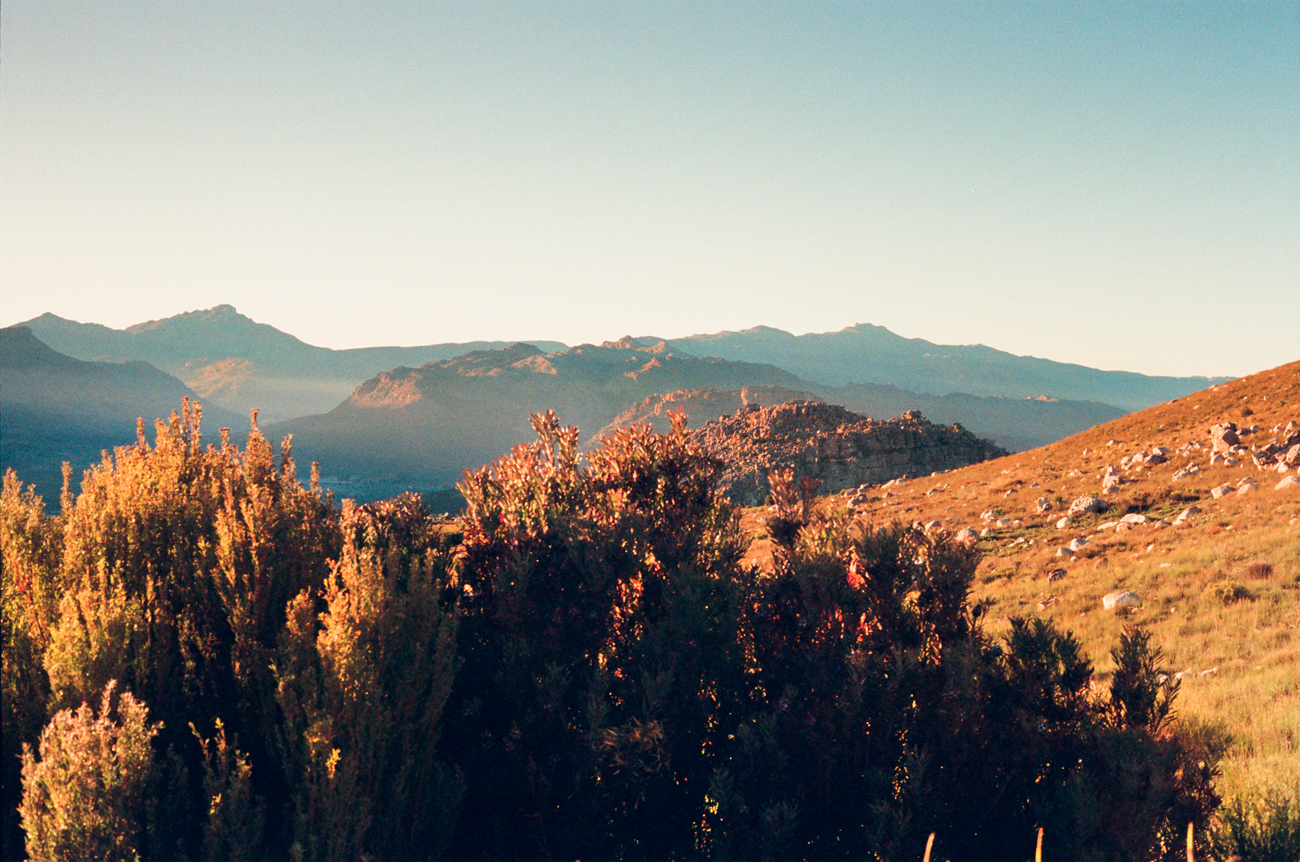
Pictured above: Sunrise hike, looking south-east with the Koue Bokkeveld’s Sneeukop on the right – shot on Kodak Porta 800
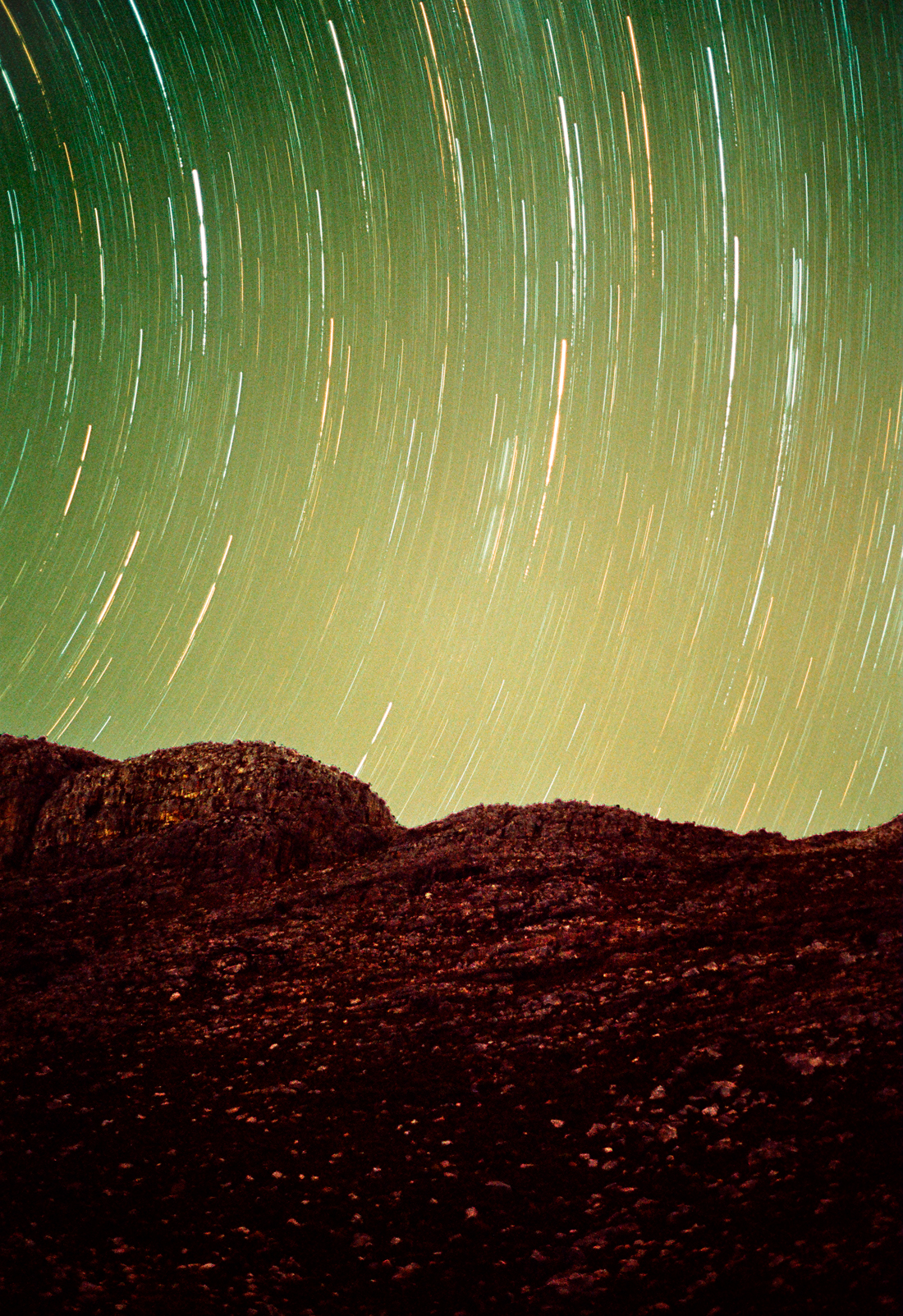
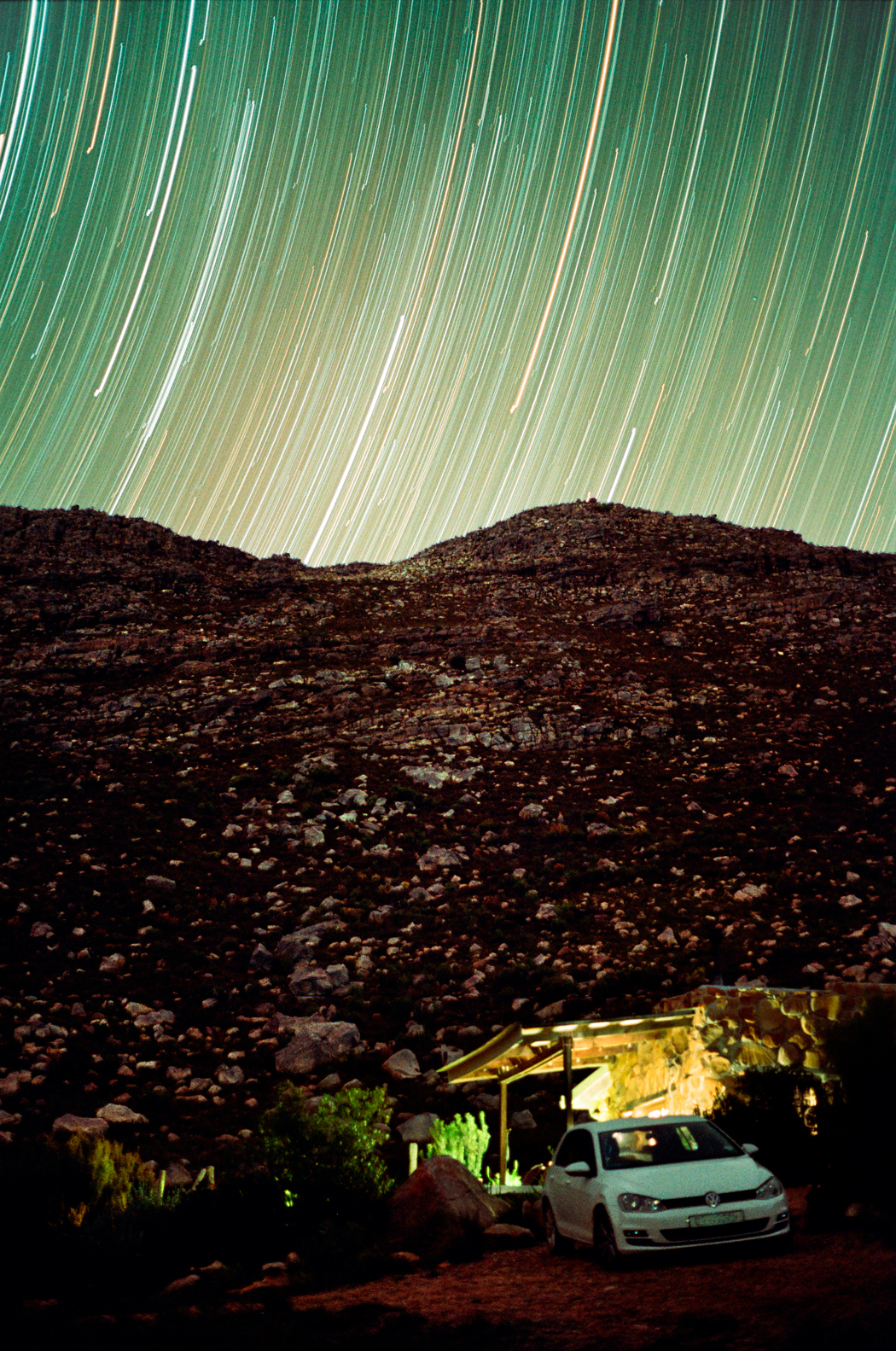
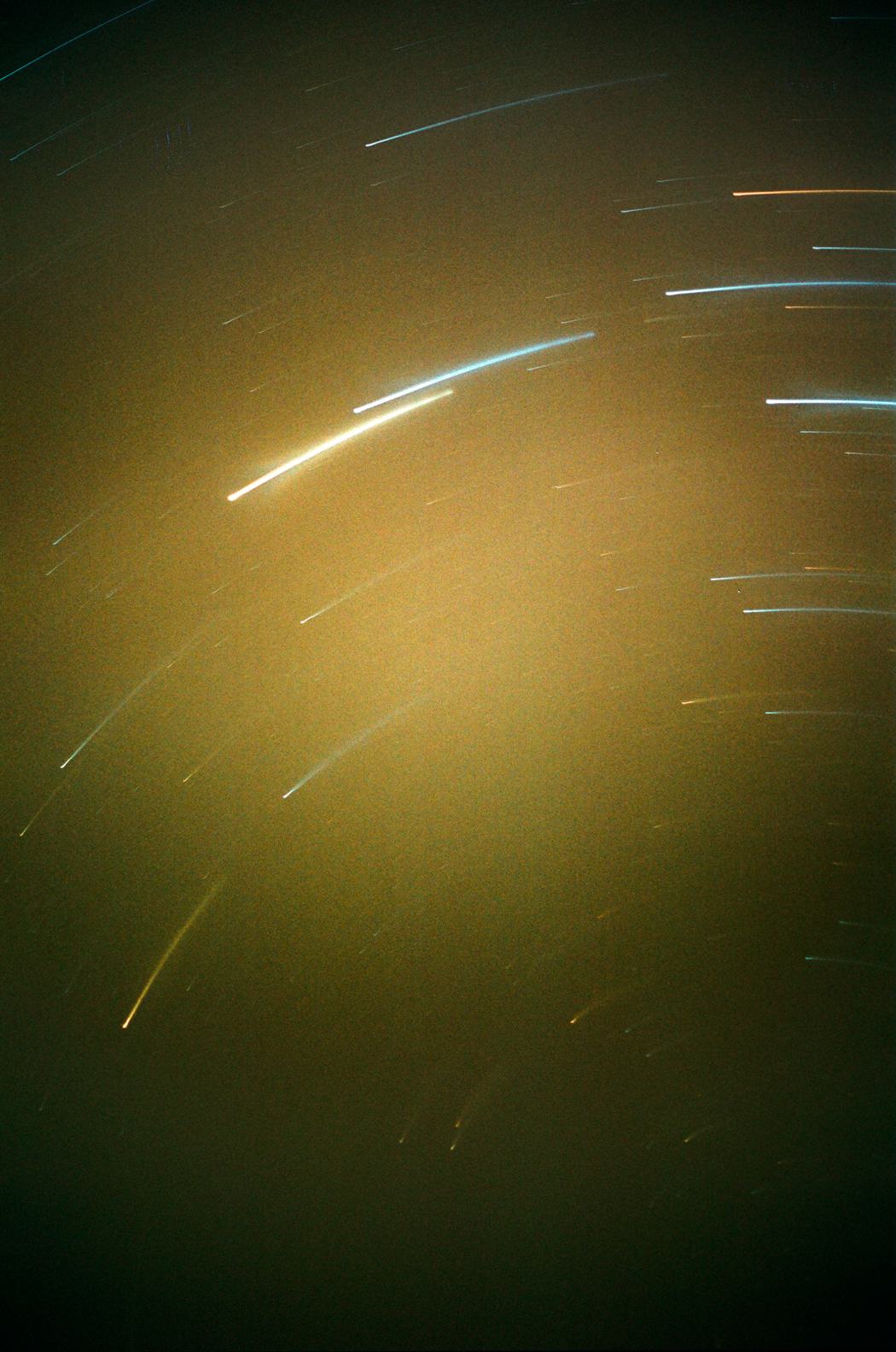
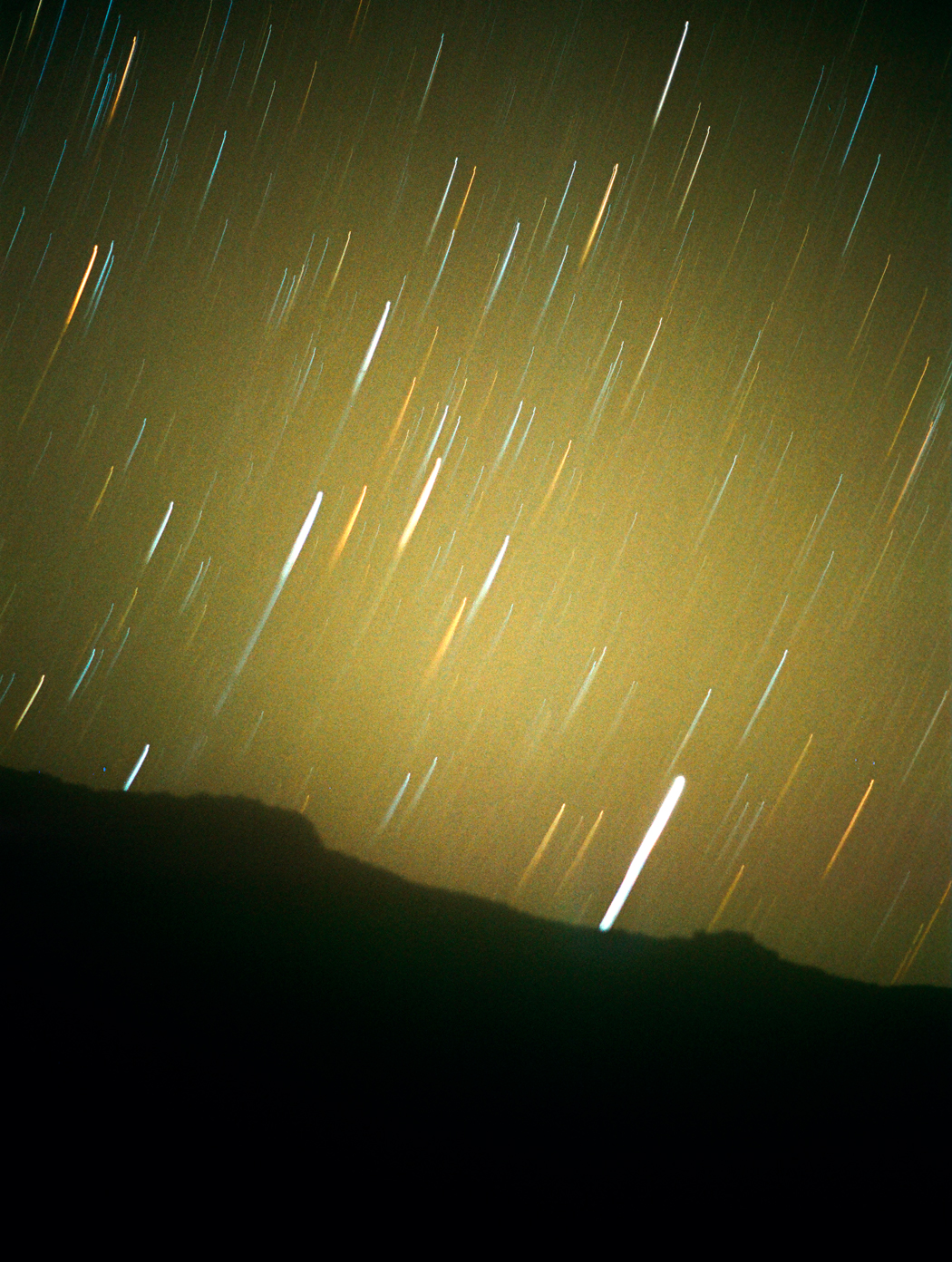
Pictured above: Star trails. Second image with Brakdak Stone Cottage near Middelberg Pass in the southern Cederberg – shot on Kodak Portra 800 and Fuji 200. The first two star trail images shot on the first and second evenings respectively, on Kodak Porta 800. The third and fourth images shot on Fuji 200 on the last evening. After the rains, the air became very cold and condensation had formed on the lens, which is what gives the last two images a dreamy feel.

Pictured above: Seed head of a King Protea – Protea Cynaroides. Shot on Fuji 200
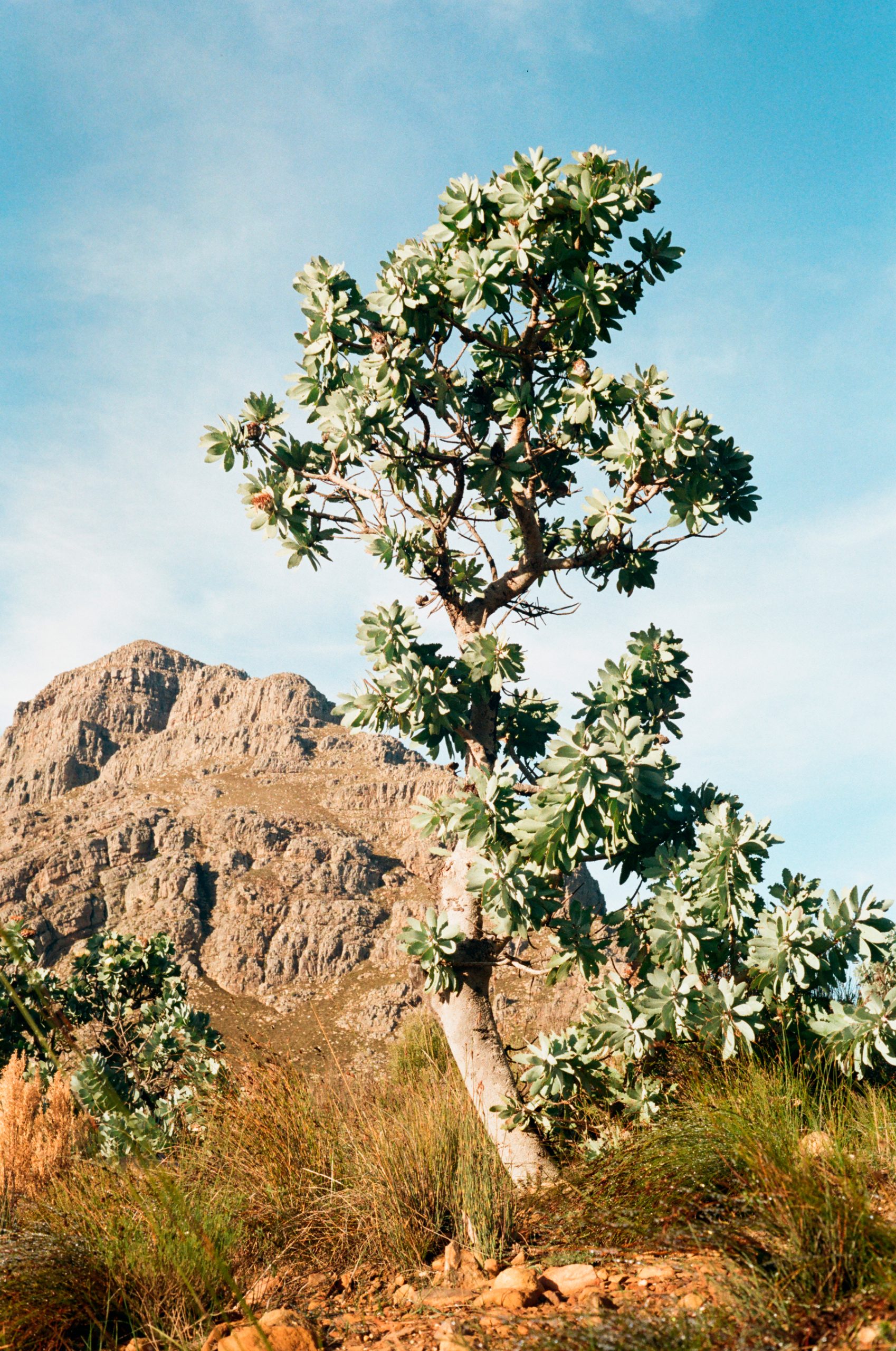
Pictured above: Waboom – Protea Niketa – they are very slow growing and survive fires to became ancient sculptural trees. Shot on Fuji 200
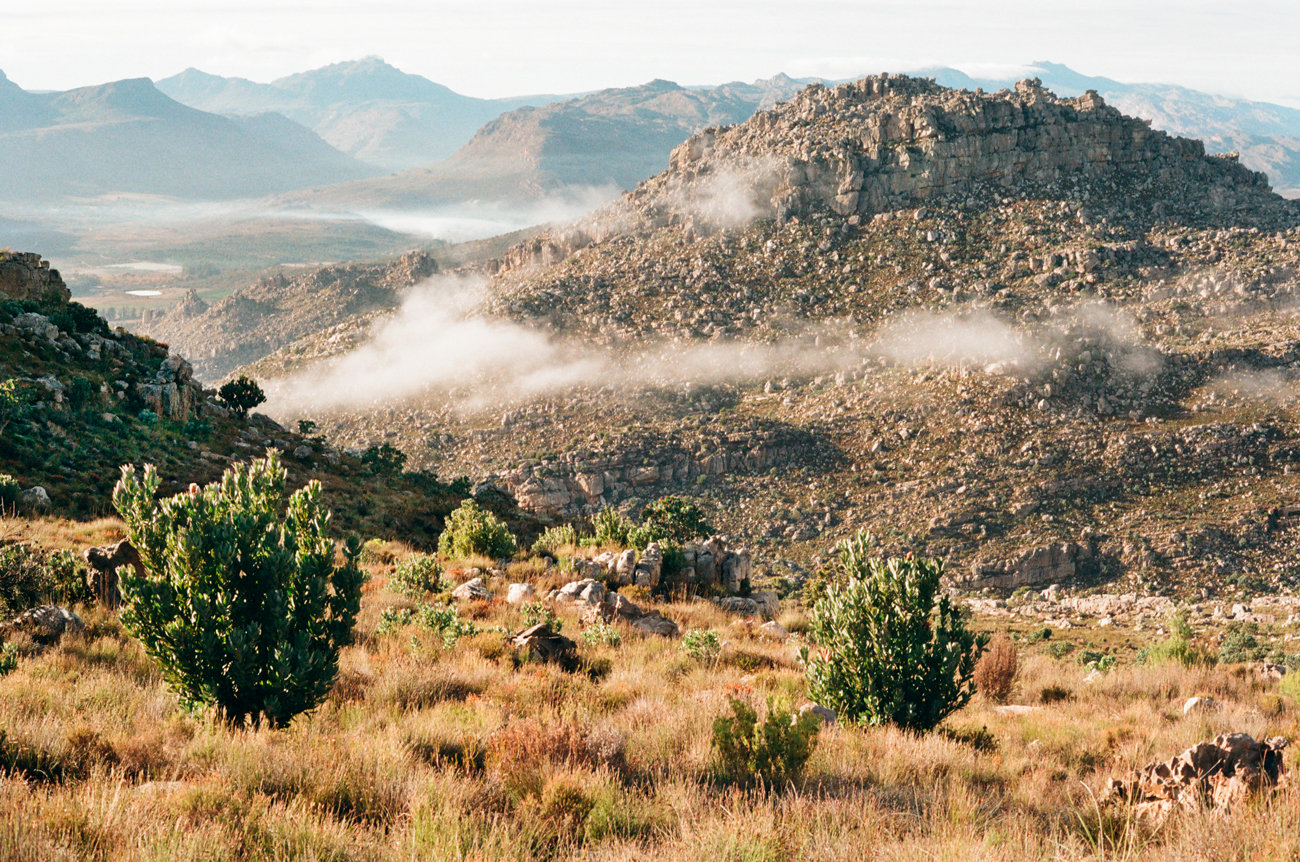
Pictured above: Sunrise hike, looking south-east with Gideon’s Kop and April Kop in the distance – shot on Fuji 200
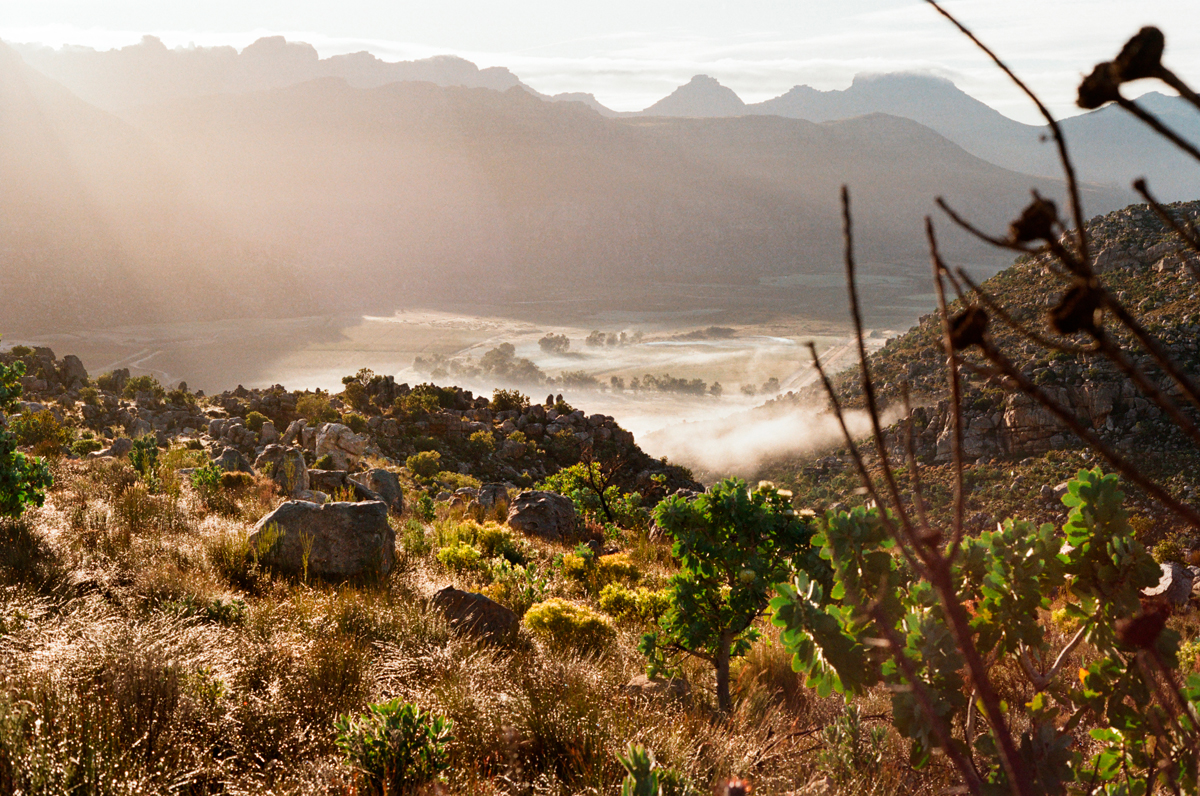
Pictured above: Sunrise hike, looking easterly into the Onderhoek with Ysterplaat covered in mist. Shot on Fuji 200
Overall, I was exceptionally happy with the results and this trip had me falling in love again with the Cederberg, and also with 35mm film. Kodak Porta 800 is quite a versatile film and I love the warm tones, contrast, grain and good exposure latitude. Even though the film is typically for lower light conditions, I think it worked pretty well for daylight shooting. It gave me the flexibility I needed when the light was low. Fuji 200 has slightly finer grain, and gave great colour and exposure latitude – a little more “everyday” and affordable in comparison to the Porta 800.